
Inside our Eco-Friendly Cleanout Process: What Happens to Everything We Remove
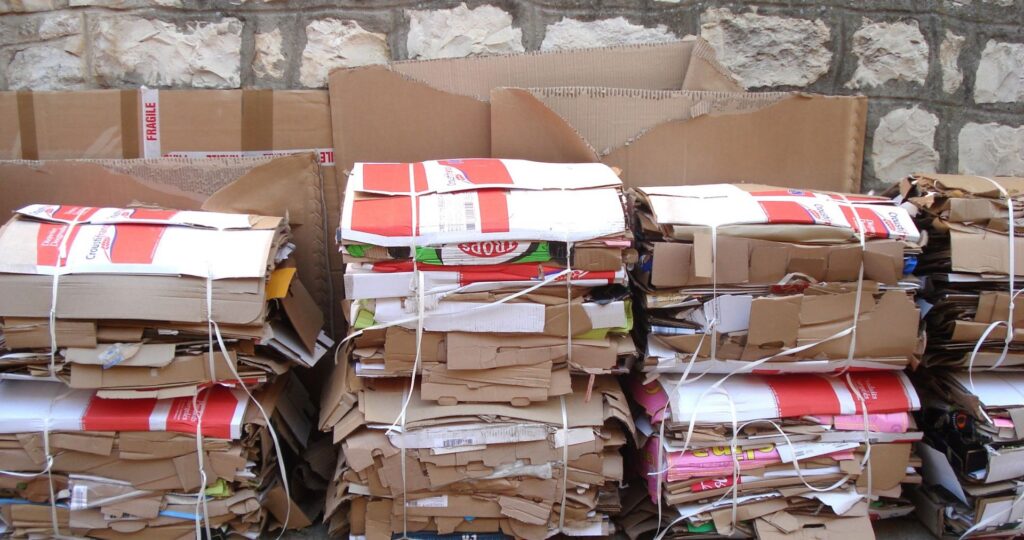
Almost every cleanout company in Cleveland says the same thing: “We donate and recycle whenever possible.” As an eco-friendly cleanout company serving Greater Cleveland, here’s what that actually looks like in practice at Downsize & Thrive, from the first walkthrough to the final donation receipt.
Most families never get an answer more specific than that generic claim. They’re told items will be “handled responsibly,” but not what that means room by room, item by item. That gap matters when you’re deciding who to trust with a parent’s belongings or a home you’ve lived in for decades.
This post walks through our actual process: what happens during the initial walkthrough, how sorting works on-site, where items go after pickup, and what gets documented along the way.
Key Takeaways
- Every item is identified and categorized during the initial walkthrough, before anything is scheduled for removal.
- Sorting happens on-site, room by room, not after everything is already loaded into a truck.
- Donated items go to specific local partners based on category, not a generic donation bin.
- Items with resale value are flagged and priced before the rest of the home is cleared.
- Itemized donation receipts are provided so families have documentation for tax purposes.
It Starts Before Anything Leaves the House
The process doesn’t begin with a truck showing up. It begins with a walkthrough, where we go room by room through the home, noting the scope, flagging items that likely have resale value, and identifying anything that will need special handling before it’s donated, recycled, or discarded. This is what a free in-home consultation includes at Downsize & Thrive, and it’s the foundation for everything that happens after.
This step matters because sorting decisions made in advance are better decisions. A five-minute walk through a basement tells you a lot about what’s ahead: furniture worth selling, boxes that need document review before anything is touched, or materials that will need separate disposal. Skipping this step is how competitors end up making blanket promises they can’t actually back up with specifics.
How Sorting Actually Happens, Room by Room
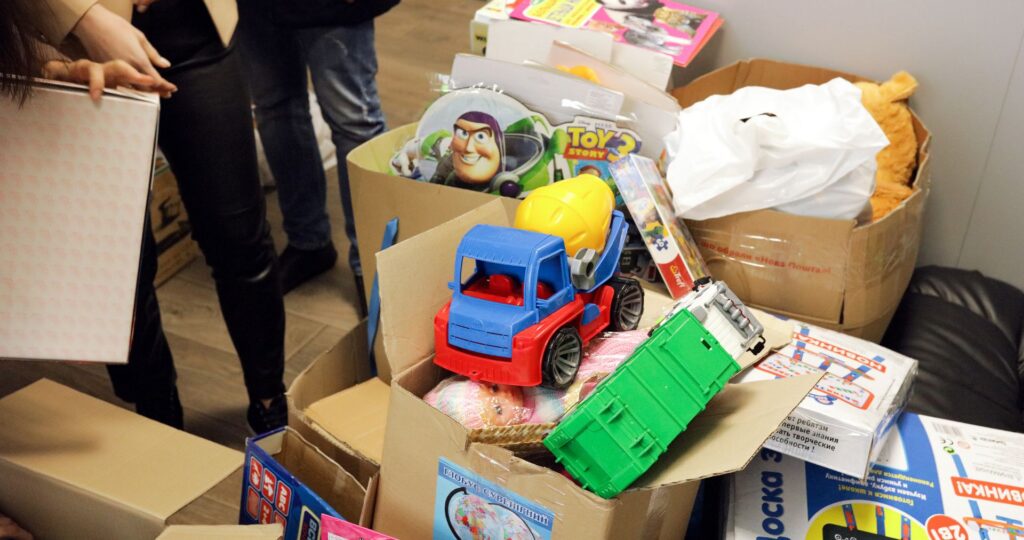
Sorting happens as the team works through the home, not afterward. Each room gets the same categorization: what stays with the family, what has resale value, what’s donatable, what’s recyclable, and what’s genuinely unusable. This is the same five-path framework we’ve written about before: keep, sell, donate, recycle, and responsibly discard, but here’s what it looks like in the room, not just on paper.
A box of dishware gets opened and looked at, not assumed to be donation-ready or trash by default. A garage full of tools gets sorted piece by piece, since some of what looks like clutter to an untrained eye is actually resale-worthy. This is slower than a straight-to-dumpster approach for about five minutes per room. It’s not slower for the project overall, because nothing has to be re-sorted later.
Where Items Go After Pickup
Once an item is categorized, it has a specific destination. Donatable items go to local charity partners suited to what’s being donated, rather than a single generic drop-off point. Items flagged for resale are researched, priced, and either listed or connected with a buyer. Recyclable materials, especially electronics and metals, go to appropriate recycling processors.
Anything that’s genuinely damaged or unusable is disposed of responsibly, with hazardous materials like paint and chemicals routed to proper handling separately from the rest.
None of this happens after the fact. The destination for each item is decided during the sort, which is what makes it possible to actually track what happened to belongings instead of just describing the intent.
What Gets Documented, and Why That Matters

Every project includes documentation: photos of items and progress, notes on what was donated and where, and itemized cleanout donation receipts for donations that qualify for tax purposes. Families managing an estate often need this kind of record for the estate attorney or for their own peace of mind, not just for taxes.
The IRS requires a written acknowledgment from the receiving organization for any single donation of $250 or more for it to be tax-deductible, according to IRS guidance on charitable contributions. That’s part of why documentation isn’t an afterthought here. It’s built into the process from the start, so families have what they need without having to chase it down later.
Frequently Asked Questions
Do you provide cleanout donation receipts for tax purposes?
Yes. When items are donated to a qualifying charity, we provide itemized documentation of what was donated. This is especially useful for estates, where an attorney or executor may need a record of how belongings were distributed, in addition to whatever tax benefit applies to the family.
What happens to items that can’t be donated or recycled?
Items that are damaged, unsafe, or otherwise unusable are disposed of responsibly. Hazardous materials such as paint, chemicals, and certain electronics are identified during the walkthrough or sort and routed to proper disposal channels separately, since they can’t go through standard donation or recycling paths.
Can I choose which charities receive our donations?
In many cases, yes. If a family has an organization they’d like to support, we’re glad to direct donations there when the items and the organization’s needs align. Otherwise, we route donations to local Cleveland-area partners suited to the specific category of item being donated.
How are valuable or sentimental items handled during sorting?
Items that may have resale value or sentimental significance are flagged during the initial walkthrough and handled individually rather than being grouped in with general donation or disposal piles. This is part of why sorting happens on-site, so nothing of value gets missed in a rush to clear a room.
A Real Process, Not Just a Promise
Every cleanout company says they’re eco-friendly. What actually matters is whether that claim survives a specific question: what happens to this item, right now, today? As an eco-friendly cleanout company built around documentation, not just intention, Downsize & Thrive’s answer is always specific.
If you’re comparing cleanout companies in Cleveland and want to know exactly what would happen to your home’s belongings, our full-service cleanout and downsizing process starts with a walkthrough, the same one described here. Call 216-218-9475 or schedule a walkthrough to see it in action.