
How to Prepare for a Home Cleanout

Preparing for a home cleanout means three things: gather important documents and valuables, set aside anything already promised to family, and leave the rest for the team. You do not need to sort everything yourself, rent a dumpster, or start discarding items before the crew arrives.
That last point surprises a lot of families. Your instinct might be to get a head start by clearing out a few rooms yourself. Resist it. Here is what actually helps, what just creates extra work, and the mistakes that slow a cleanout down before it even begins.
Key Takeaways
- Gather documents, keys, and anything already promised to family before the walkthrough, not the rest of the belongings.
- Do not rent a dumpster or start discarding items before the team has identified what has value.
- If the property is part of an estate in probate, confirm legal authority to proceed before anything is scheduled for removal.
- Set a firm deadline for relatives to claim keepsakes. An open-ended invitation can stall a cleanout for months.
- A trained team can tell the difference between an item worth selling and one worth donating; a family sorting alone often cannot.
- Day one typically starts with a room-by-room assessment, not immediate removal.
What to Gather Before the Walkthrough
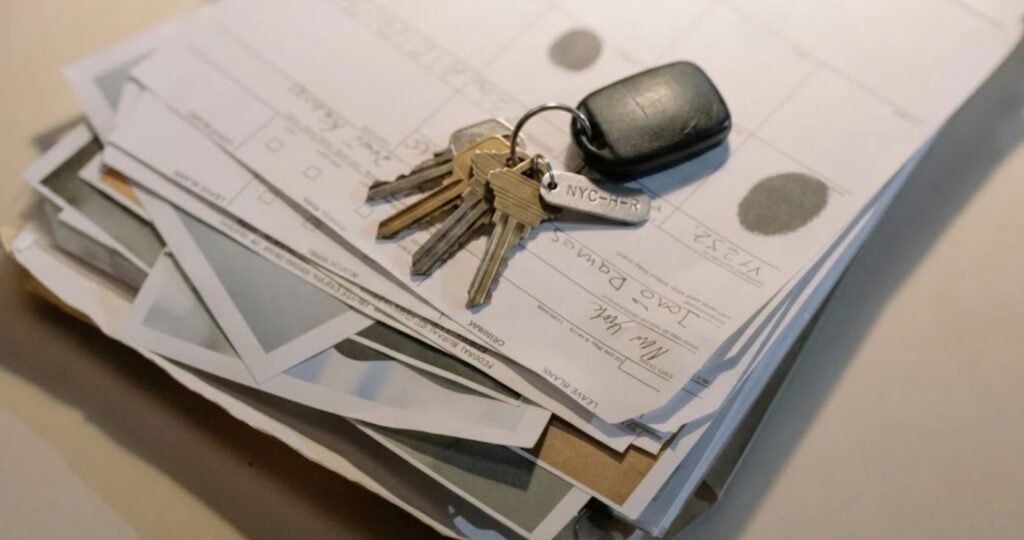
A short, specific list of things genuinely benefits from your attention before anyone arrives.
- Documents and financial records: wills, deeds, insurance policies, tax records, and bank statements, kept together and separate from the rest of the house.
- Keys: for the house itself, but also any storage units, safes, or vehicles on the property.
- Sentimental items already spoken for: if a specific piece of furniture, jewelry, or keepsake has already been promised to a particular family member, mark it clearly so nobody sorts it into the wrong pile by accident.
AARP recommends gathering documents and valuables like this before sorting begins, since it removes the risk of something important getting mixed in with everything else.
That is genuinely the extent of what needs to happen before the walkthrough. You do not need a plan for every room, and you do not need to touch anything beyond this short list.
How Scheduling Works, From First Call to Walkthrough
Preparation moves faster when you understand the sequence, since much of what feels like “getting ready” is really about timing, not physical work.
- The first call. A short conversation covers the property’s size, the general situation (an estate, a downsize, a move), and any deadlines already in place, like a probate date or a listing target.
- The walkthrough. This typically happens within days of that first call, not weeks. A team member walks every room, notes the scope, and puts together a specific plan and price rather than a rough estimate.
- Setting the cleanout date. Once the walkthrough is complete, the date gets scheduled around your timeline and any external deadlines. Families managing probate or a home sale often need to work backward from a fixed date; families without a hard deadline have more flexibility.
- Handling utilities and mail separately. This is easy to forget in the middle of everything else, but notifying utility companies and setting up mail forwarding is a task worth handling on your own timeline, separate from the cleanout itself, since it does not depend on when the crew arrives.
Common Preparation Mistakes

A few specific missteps show up again and again in the first week before a cleanout, and each one is easy to avoid once you know to watch for it.
- Waiting too long to set a deadline for relatives to claim items. An open invitation for family members to “let us know if you want anything” can stretch on indefinitely and stall the entire project. Set a specific date, typically two to four weeks out, by which anyone who wants something needs to speak up.
- Starting removal before confirming legal authority. If the property is part of an estate going through probate, the executor or administrator needs authority to proceed before anything is scheduled. Confirm this with the estate attorney first, since removing items prematurely can create complications later.
- Assuming an item is worthless without a second look. Cash, jewelry, and important papers turn up in strange places: drawers, coat pockets, the backs of books, even mattresses. A team trained to check these spots before hauling anything catches what a rushed, first-time sort often misses.
What Not to Do Before the Team Arrives
Here is the part that surprises people most: pre-sorting the house yourself usually creates more work, not less.
- Do not rent a dumpster before valuables have been identified. Vintage tools, mid-century furniture, and first-edition books get thrown away every year because a family assumed they were worthless and disposed of them before anyone trained could look.
- Do not start bagging up items into keep, donate, and toss piles on your own. A full home cleanout already includes this sorting as part of the process, done by people who can spot resale value and know where donations actually go.
If you have extra time before the scheduled cleanout, the most useful thing you can do is nothing at all: leave the belongings where they are so the team can assess the full scope during the walkthrough.
What to Expect on Day One
Day one is an assessment, not an immediate removal.
A team member walks the property room by room, noting the scope, flagging anything that likely has resale value, and identifying items that need special handling before anything is donated, recycled, or discarded. This is the same process that happens during emotionally difficult cleanouts, where sentimental items need extra care and a slower pace.
From there, sorting happens methodically, room by room, with categories decided as the team works rather than guessed at in advance. Once the walkthrough is complete, you will get a realistic sense of the full timeline, including how many days the sort and removal will take and when the property will be ready for its next step, whether that is a sale, a listing, or a family transfer.
Frequently Asked Questions
Do I need to clean the house before a cleanout?
No. The team works with the home as it is. Cleaning beforehand is not necessary and does not change how the sorting or removal process happens.
Should I sort everything myself first?
No. Pre-sorting often leads to valuable items being discarded by mistake, since an untrained eye cannot always tell what has resale value. Leave sorting to the team and focus only on documents, keys, and items already promised to family.
What should I do with important documents before a cleanout?
Gather financial paperwork, legal documents, and family photos into one place separate from the rest of the home. This keeps them from getting mixed in with items being sorted for donation, sale, or disposal.
What if family members disagree about what to keep?
Set a clear deadline for anyone who wants specific items to say so in advance, and designate one person as the point of contact for decisions. A neutral third party, like the cleanout team, can help keep the process moving when family members see things differently.
Do I need to be present during the cleanout itself?
No, though you are welcome to be. Many clients prefer to step away during the actual sorting and removal, especially when the process is emotionally difficult, and stay involved through photo updates and a single point of contact instead.
How far in advance should I schedule a cleanout?
Scheduling as soon as you know a cleanout is needed gives the most flexibility for timing, especially around probate or listing deadlines. A walkthrough can typically happen within days of your first call.
Moving Forward
Getting ready for a home cleanout takes less effort than most families expect. Gather your documents, set a clear deadline for anything already spoken for, and let the team handle the rest. If you are facing a cleanout in Greater Cleveland and want to know what your specific walkthrough will look like, reach out to Downsize & Thrive for a free consultation.