

Aging-in-Place vs. Downsizing: How to Choose the Right Path for Your Lifestyle
You’re at a crossroads. Your home has served you well for years, but you’re starting to think about the future. The stairs feel steeper. The yard needs more work than you want to give it. Your kids keep asking if you’ve thought about “what’s next.”
You have two main options: modify your current home so you can stay there safely as you age, or downsize to something smaller and more manageable.
Both paths work. The right choice depends on your specific situation.
Understanding Aging-in-Place
Aging-in-place means making changes to your current home so you can live there safely and comfortably as you get older. This approach lets you stay in the neighborhood you know, keep your routines, and maintain your independence.
Common modifications include:
Installing grab bars in bathrooms and hallways. Adding ramps or stair lifts. Widening doorways for wheelchair access. Improving lighting throughout the house. Replacing round doorknobs with lever handles. Converting a first-floor room into a bedroom if stairs become difficult.
These changes address real safety concerns. Falls are the leading cause of injury for older adults, and most happen at home. Simple modifications can increase not just safety, but also comfort and mobility in your home.
The Benefits of Staying Put
You know where everything is. Your doctors are nearby. You have relationships with neighbors. The grocery store is familiar. Your routine stays intact.
Staying in your home also means you avoid the emotional work of sorting through decades of belongings. You don’t have to say goodbye to the place where you raised your family or celebrated important moments.
For many people, this emotional comfort matters more than any practical consideration.
The Challenges of Aging-in-Place
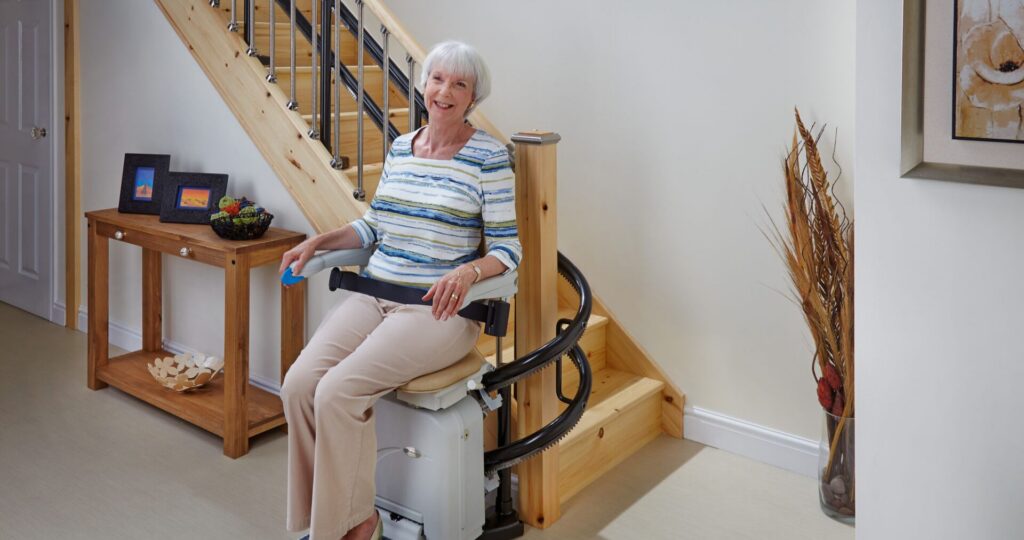
Home modifications cost money. A walk-in shower can run several thousand dollars. A stair lift costs even more. These expenses add up quickly.
You also need to maintain a larger home. Yard work, repairs, cleaning, and upkeep don’t get easier as you age. Even with modifications, your home might have features that become difficult to manage.
Some homes simply aren’t suitable for aging-in-place. If your bedroom is upstairs and you can’t add a first-floor option, you face a real problem. If your home has multiple levels or a large yard, daily life becomes harder.
Understanding Downsizing
Downsizing means moving to a smaller home or a supportive living community. This could be a smaller house, a condo, an apartment, or a senior living facility with varying levels of care.
The goal is to simplify your life by reducing the space you need to maintain and surrounding yourself with the support you might need.
The Benefits of Downsizing
Less space means less to clean, maintain, and worry about. Many smaller homes and communities take care of yard work, snow removal, and repairs for you. This allows you to focus on living instead of maintaining.
Moving to a senior community often means built-in social opportunities. You have neighbors in similar life stages. Activities and amenities are designed for your needs. If you need help later, support services are already in place.
Downsizing also forces you to declutter. You can’t take everything with you, so you make decisions about what truly matters. Many people find this process freeing once they get past the initial resistance.
The Challenges of Downsizing
Moving is hard work. You need to sort through belongings, decide what to keep, pack everything, coordinate movers, and unpack in a new space. The physical and emotional effort is real.
You’re also leaving behind a place full of memories. You raised a family there. You hosted holidays there. Every room holds a story. Saying goodbye to that history is difficult.
Downsizing also means adapting to a new environment. New neighbors, new routines, and new places to shop. Some people thrive on this change, while others find it stressful.
How to Make Your Decision
Start by asking yourself these questions:
- Can your home be modified safely?
- What’s your budget?
- Compare the cost of modifications to the cost of moving.
- Factor in ongoing maintenance costs for your current home versus the expenses of a new place.
- How do you feel about your current location?
- Do you love your neighborhood?
- Are your friends and family nearby?
- Or would you welcome a change of scenery?
- What does your future look like?
- Be honest about your health and mobility.
- If you have conditions that will likely worsen, plan for that reality.
- If you’re healthy and active, you have more flexibility.
- How much maintenance can you handle?
- Be realistic about yard work, home repairs, and cleaning.
- If these tasks already feel overwhelming, they won’t get easier.
How Downsize & Thrive Can Help With Either Path

You don’t have to figure this out alone. Downsize & Thrive supports both aging-in-place and downsizing decisions.
Support for Aging-in-Place
If you decide to stay in your home, Downsize & Thrive can help you prepare. This includes decluttering rooms to improve safety and mobility. Organizing spaces so that everything you need is accessible. Coordinating with contractors for modifications. Creating systems that work for your changing needs.
The goal is to make your home work for you, not against you.
Support for Downsizing
If you decide to move, Downsize & Thrive handles the entire process. Their team helps you sort through belongings and decide what to keep, donate, or discard. They pack everything carefully. They coordinate with movers. They unpack and organize your new space so it feels like home from day one.
We understand the emotional weight of these transitions. We’ve watched friends and family struggle with parent moves. We built their business to fill the gap between moving companies and organizing services.
Our approach eliminates the physical and emotional stress that makes these transitions so hard.
Making Peace With Your Choice
There’s no perfect answer. Both aging-in-place and downsizing have trade-offs.
What matters is choosing the path that fits your life, your budget, and your vision for the future. Talk to your family. Consider your health. Look at your finances. Think about what will make you happy.
Then make a decision and move forward with confidence.
The worst choice is no choice. Waiting until a health crisis forces your hand means you lose control over the process. Planning ahead gives you options and reduces stress for everyone involved.
Frequently Asked Questions
What are the key factors to consider when deciding between aging-in-place and downsizing?
Look at your home’s layout and whether it can be modified safely. Consider your budget for modifications versus moving costs. Think about your attachment to your current location and community. Be honest about your current and future health needs. Evaluate how much home maintenance you can realistically handle.
How can Downsize & Thrive assist with home modifications for aging-in-place?
Downsize & Thrive helps you declutter and organize your home to improve safety and accessibility. We can coordinate with contractors who handle physical modifications like grab bars or ramps. We create organizational systems that work for your changing needs and ensure your home supports your independence.
What services does Downsize & Thrive offer for downsizing and relocation?
Downsize & Thrive provides complete move management. We help you sort through belongings and make decisions about what to keep. We handle packing with care and attention to detail. We can coordinate with moving companies. We will unpack and organize your new home so you can settle in immediately without the stress.
How do I determine if my current home is suitable for aging-in-place?
Walk through your home and identify potential barriers. Check if bedrooms and bathrooms are on the same floor. Look at doorway widths and hallway space. Consider stairs and whether ramps or lifts are feasible. Evaluate bathroom safety and kitchen accessibility. If major structural changes are needed or impossible, your home might not be suitable.
What are the financial implications of both aging-in-place and downsizing?
Aging-in-place requires upfront costs for modifications plus ongoing maintenance, utilities, and property taxes for a larger home. Downsizing involves moving expenses and potentially higher monthly costs in a senior community, but lower maintenance and utility bills. Compare both scenarios over several years to see which makes more financial sense for your situation.