
Managing a Long-Distance Move for an Aging Parent
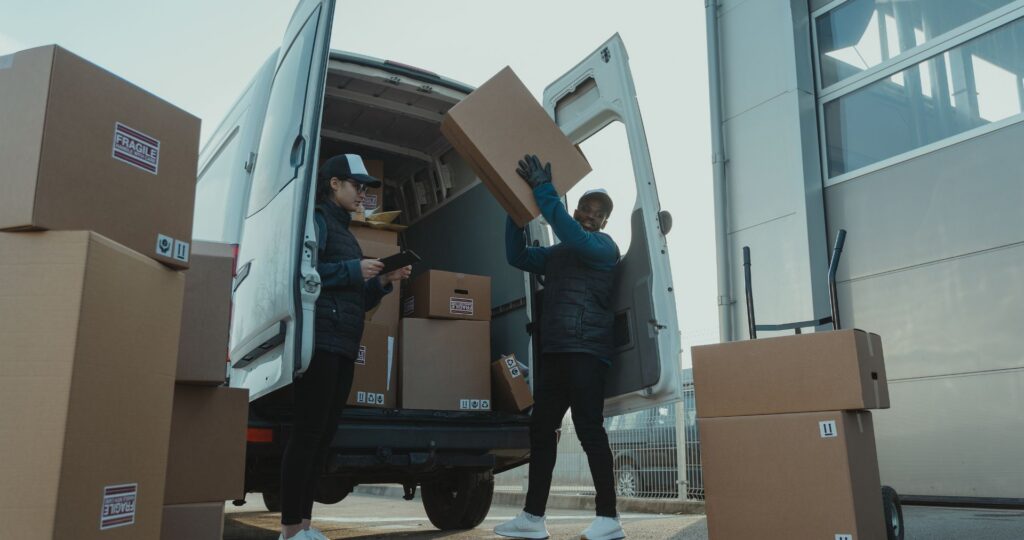
Most of a long-distance move for an aging parent can be coordinated remotely through photos, video calls, and a single local point of contact. A smaller number of moments, like the initial walkthrough and moving day itself, genuinely benefit from someone being there in person.
If you live in another state and are trying to manage your elderly parent’s move, here is what actually needs your physical presence, what does not, and how a move management team like Downsize & Thrive handles the rest.
This distinction matters because most families assume they need to be there for everything, and that assumption creates a lot of unnecessary stress, travel, and guilt. You do not have to choose between your own job and family in one city and your parent’s move in another. A team on the ground can carry the daily coordination so you don’t have to.
Key Takeaways
- Moving day and the initial in-home walkthrough are the two moments that benefit most from being physically present.
- A move management team handles the daily coordination on the ground, from sorting through packing to setting up the new home, so your presence is only needed where it truly matters.
- Sorting, donation coordination, and day-to-day decision-making can be handled by a local team with regular photo updates.
- Shipping belongings long-distance and driving them yourself are genuinely different logistical decisions, not interchangeable options.
- How your parent travels to the new home (flying, driving, or with additional support) is a separate decision from how their belongings get there.
- According to the National Institute on Aging, tools like shared calendars and video calls are standard, effective ways for long-distance caregivers to stay coordinated.
What Has to Happen In Person
Two moments in a long-distance move genuinely benefit from your physical presence, and it is worth planning your travel around them specifically rather than trying to be there for everything.
The first is the initial walkthrough, when the scope of the project gets assessed, and the plan gets set. Seeing the home in person, even once, gives you and your parent a shared reference point for every decision that follows.
The second is moving day itself, if you can manage it. Not every family can make both trips work, and that is a real constraint, not a failure.
Beyond those two moments, most of what people assume requires their presence does not, a point covered in more depth in our general guide to helping aging parents move. A team like Downsize & Thrive can manage a full home cleanout or move locally, coordinating the daily work while you participate in the decisions that matter from wherever you are.
Why a Move Management Team Matters More for Long-Distance Families
A long-distance move multiplies the coordination problem. It’s not just sorting and packing a home. It’s doing that while managing your own job, travel, and the gap between what you can see and what’s actually happening on the ground.
Downsize & Thrive’s move management service is built around exactly this gap. One team handles the pre-move planning, the packing, the coordination of movers, and the setup of the new home, all with a single point of contact who reports back to you. Instead of piecing together updates from multiple vendors, you get one person who can tell you where things stand at any point in the project.
For a long-distance family, that single point of contact is often the difference between a move that feels manageable and one that feels like a second job on top of your own.
Building a Long-Distance Move Timeline

A long-distance move has its own rhythm, separate from a local move, because travel logistics for both your parent and their belongings need lead time.
- Six to eight weeks out: Schedule the initial walkthrough with your move management team and book your travel around it if you are attending in person. This is also the point to start deciding whether belongings will be shipped or driven, since both options need advance booking.
- Four to six weeks out: Sorting and packing begin locally, with photo updates sent to you on a regular schedule by your team. This is also the window to firm up how your parent will travel to the new home, since flight bookings and any special travel arrangements are easier to secure with notice.
- Two to three weeks out: Confirm move-day logistics, including who will be present and how updates will be shared if you cannot attend. If belongings are being shipped, this is typically when they are picked up.
- Moving week: Move day happens, with photo updates throughout if you are not on-site. Setup of the new home typically follows within a day or two, handled by your team, so your parent is not living out of boxes.
Building the timeline around these four windows, rather than treating the whole project as one undifferentiated task, makes it much easier to know when your involvement matters most.
What Can Genuinely Be Handled Remotely
Sorting, packing, and donation coordination happen on a room-by-room basis regardless of who is watching, and none of it requires you standing in the room.
- Photo documentation lets you see specific items before a decision gets made, rather than trusting a verbal description.
- Scheduled check-in calls, set at a regular time each week rather than left open-ended, keep everyone informed without turning into constant back-and-forth texting.
- A shared decision list, for anything ambiguous like a piece of furniture nobody has explicitly claimed, gives your parent and the team a clear way to flag questions for you instead of guessing.
This is exactly the coordination Downsize & Thrive provides for out-of-town families: one team, one set of updates, and a clear record of decisions instead of a scattered group text.
Shipping versus driving belongings is one decision that genuinely needs to happen early, not as an afterthought. Shipping makes sense for a smaller volume of items or when timing is flexible.
Driving a loaded truck yourself gives you more control over what arrives when, but it demands a block of time few working adults can spare twice in one project. Neither option is automatically better. The right one depends on your parent’s timeline and how much you can realistically be away from your own home and job.
Helping Your Parent Travel to the New Home
How your parent gets to their new home is a separate decision from how their belongings get there, and it deserves its own planning window.
Flying is faster and less physically demanding over long distances, which matters if your parent has mobility limitations or health conditions that make a multi-day car trip difficult. Booking a direct flight, arranging boarding assistance in advance through a program like TSA Cares, and confirming wheelchair or accessibility accommodations with the airline ahead of time all reduce the chance of a stressful travel day.
Driving together gives you more flexibility for rest stops and keeps the trip at a pace your parent controls. Some families and some parents genuinely prefer this, especially over shorter distances or when a parent wants to keep a personal vehicle.
If your parent has significant medical needs, a non-emergency medical transport service or a travel companion may be worth discussing with their doctor before the move. This is a conversation for your parent’s medical team, not something to decide alone.
Either way, the choice between flying and driving your parent should be made separately from the shipping-versus-driving decision for belongings. They are two different logistics problems, and treating them as one often leads to a rushed choice on both.
How Out-of-Town Families Stay Informed Without Being There Daily

The National Institute on Aging recommends long-distance caregivers use tools like shared calendars, regular phone or video check-ins, and a running list of contacts and updates. The same tools work well for a long-distance move, not just ongoing caregiving.
A single point of contact matters more than any specific tool. When one person on the project team is responsible for updates, you are not chasing down different people for different pieces of information.
That person, your Downsize & Thrive contact, can send photos after each session, flag decisions that need your input, and give you a realistic sense of the timeline without you having to ask.
Frequently Asked Questions
Do I need to be there for the whole move?
No. Most families cannot realistically be present for the entire process, and most of it does not require you to be. A move management team handles the daily work; the two moments worth prioritizing your travel around are the initial walkthrough and moving day, if you can manage both.
How do I make decisions about belongings from a distance?
Photo documentation is the most effective tool. When an item’s status is unclear, a photo lets you make an informed decision in minutes rather than relying on a description over the phone. A single point of contact who sends regular updates keeps this process organized.
What’s the difference between shipping and driving belongings long-distance?
Shipping works well for a smaller volume of items or a flexible timeline, and it does not require you to take extended time away from work. Driving gives you more direct control over arrival timing but requires a significant block of travel time, sometimes twice in one project.
How do out-of-town families handle move day if they can’t be present?
A local move management team can manage move day logistics directly, with photo updates sent throughout the day so you know what is happening in real time. Many families who cannot travel for moving day itself still stay closely involved through these updates.
How much advance notice should I plan for a long-distance move?
Six to eight weeks gives the most flexibility for booking travel, arranging shipping, and coordinating a realistic timeline for sorting and packing. Urgent moves due to a health change can be compressed, but advance planning generally reduces both cost and stress.
Moving Forward
A long-distance move for an aging parent does not require choosing between your own responsibilities and being there for your family. With the right move management team on the ground and a clear plan for what needs your presence versus what does not, you can stay meaningfully involved from another state.
If you are managing a parent’s move from out of town, reach out to Downsize & Thrive for a free consultation. We will walk you through what a remote-friendly plan looks like for your specific situation, and handle the rest from here in Greater Cleveland.